logo

Best Kei Cars to Import to the US in 2026

The kei car market has exploded in the US. What started as a niche hobby for JDM enthusiasts a few years ago is now a full-blown movement, with kei trucks on farms, kei vans at food festivals, and kei sports cars at weekend car meets from Texas to Maine. If you have been researching which kei to import and how the rules actually work, this guide is for you.

We’ll walk you through the best kei cars, trucks, and vans worth importing in 2026, how much they typically cost, and how the import process works from start to finish. Importing from Japan is not the nightmare a lot of forums make it out to be. With the right help, it’s just a few steps done in order.

What Counts as a Kei Car?

Kei is Japan’s smallest road-legal vehicle class. The rules are strict: engine displacement capped at 660cc, overall length under 3.4 metres, width under 1.48 metres, and height under 2 metres. These limits have been in place since the 1990s, and every Japanese manufacturer builds vehicles to fit them.

The word “kei” covers a whole family of body styles, not just tiny cars. The kei vehicle range includes:

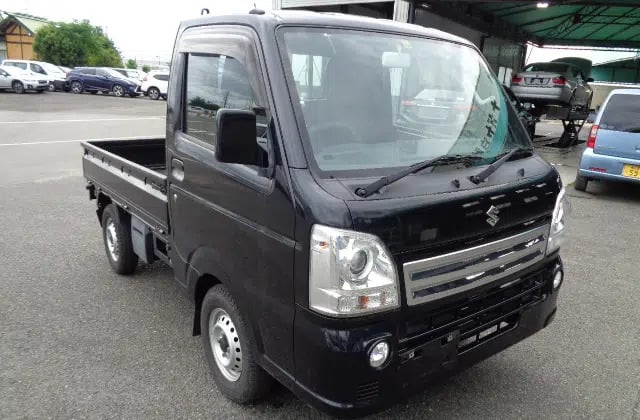
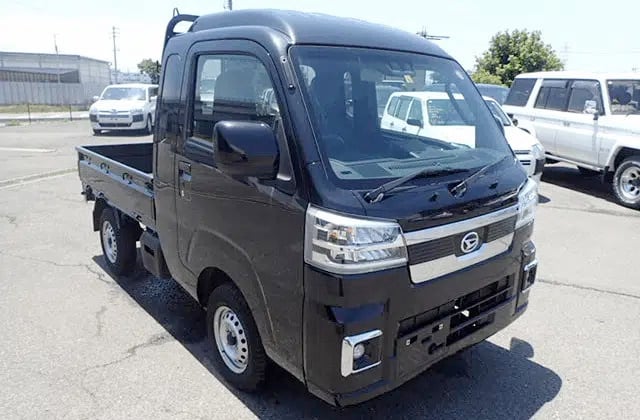
Kei trucks (called kei tora in Japanese) are open-bed workhorses. Imagine a pickup truck scaled down to fit in your garage, with room to spare. They weigh almost nothing, get insanely great fuel mileage, and haul more than you might imagine.

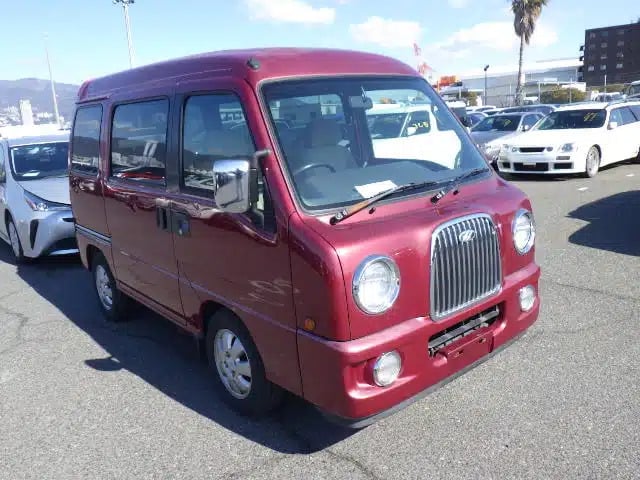
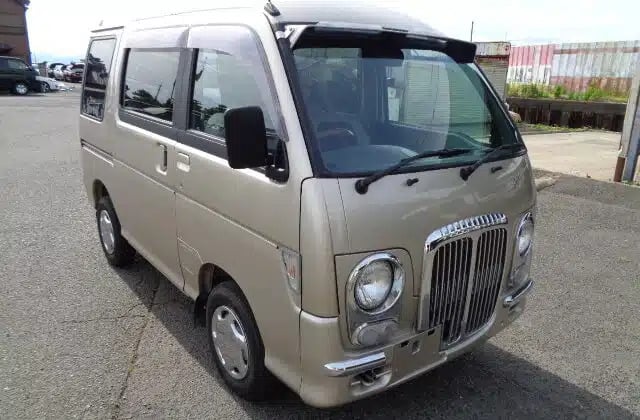
Kei vans are basically enclosed versions of the same platforms. Slide the rear door open and you have a walk-in cargo space, a mobile workshop, or, with the right conversion, a micro camper. They’re amazing for solo van life, with a little custom work.

Turbo kei cars are the performance wing of the family. Turbocharged 660cc engines in lightweight chassis builds get you genuinely fast, genuinely fun sports cars.

Kei SUVs split the difference: small enough for city parking, capable enough for fire roads and snow.

They all basically share the same DNA, they’re cheap to run, built to last, and at least in Japan, are cheap to insure.

Why Kei Cars Are Surging in the US in 2026

Three things actually had to converge to make it happen.

First, the math. Under the NHTSA 25-year import rule, any vehicle manufactured 25 or more years ago is exempt from US federal safety and emissions standards. That means every kei built before January 2001 is now legally importable. The pool of eligible vehicles grows every month, and it includes some of the most sought after models ever made.

Second, state-level momentum. Texas passed SB 1816, formally recognizing 25-year-old kei trucks for on-road registration. Other states have followed or simply clarified their positions to make it easier to understand. The state-by-state legality is looking much better now than at any point in the past decade, and advocates continue the fight to keep keis legal wherever local and federal challenges arise.

Third, value. A new US compact truck starts around $30,000 or more. A clean kei truck from Japan can ship to your nearest port for a fraction of that, with lower operating costs and even a smaller footprint. Even factoring in tariffs on JDM imports, the numbers are still better.

Then there is the intangible: character. These vehicles look like nothing else on American roads. They start conversations at gas stations. They make people smile. In a market full of bloated crossovers, a 660cc turbocharged micro truck or a gullwing sports car the size of a go-kart stands out in a way that no domestic vehicle can replicate.

The kei car import trend doesn’t seem to be slowing down anytime soon.

Why Kei Cars Are Surging in the US in 2026

Here are the models our team is seeing the most demand for right now. We’ve put them together loosely by body style so you can find the one you’re looking for faster.

Suzuki Jimny

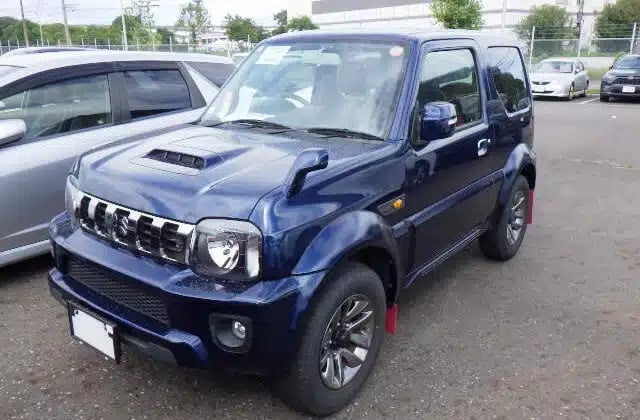
The Jimny is a kei SUV with a cult following that spans continents. The JA11 and JA12 generations (early to mid-1990s) are fully 25-year eligible and built for serious off-road use: ladder frame, part-time 4WD, low-range transfer case. They weigh under 1,000 kg, which means the 660cc turbo engine moves them with surprising authority on trails.

American buyers love the Jimny for weekend off-roading, hunting access, and simply owning something that looks like a shrunken Land Cruiser. Parts are shared across Suzuki’s global lineup, so sourcing is not difficult. Demand is high at auction, so patience or flexibility on color helps. More on the Jimny here.

Specs: 660cc turbo 3-cylinder, part-time 4WD, 5-speed manual or 3-speed auto, approximately 970 kg.

Honda Acty

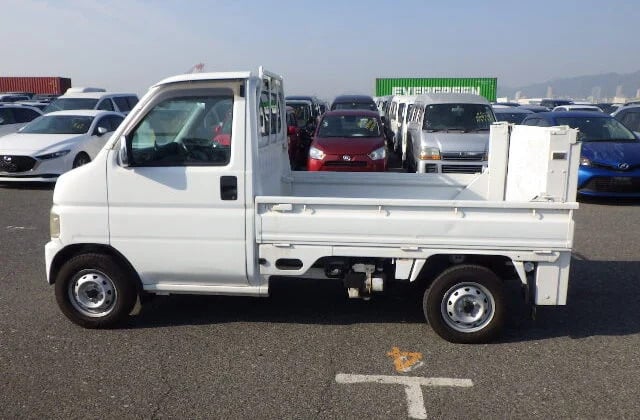
The Honda Acty is the kei truck that helped change American law. Japan Car Direct donated an Acty to the Texas SB 1816 campaign, and the model became the public face of the kei truck movement in the US. It earned that role. The Acty is mid-engine (unusual for a truck), rear-wheel or all-wheel drive, and mechanically straightforward.

It suits small farms, landscaping, property maintenance, and anyone who needs a second truck that costs almost nothing to fuel. The mid-engine layout gives it a low center of gravity and predictable handling, even when loaded.

Specs: 660cc 3-cylinder (E07A), RWD or real-time 4WD, 5-speed manual or 3-speed auto.


Suzuki Carry

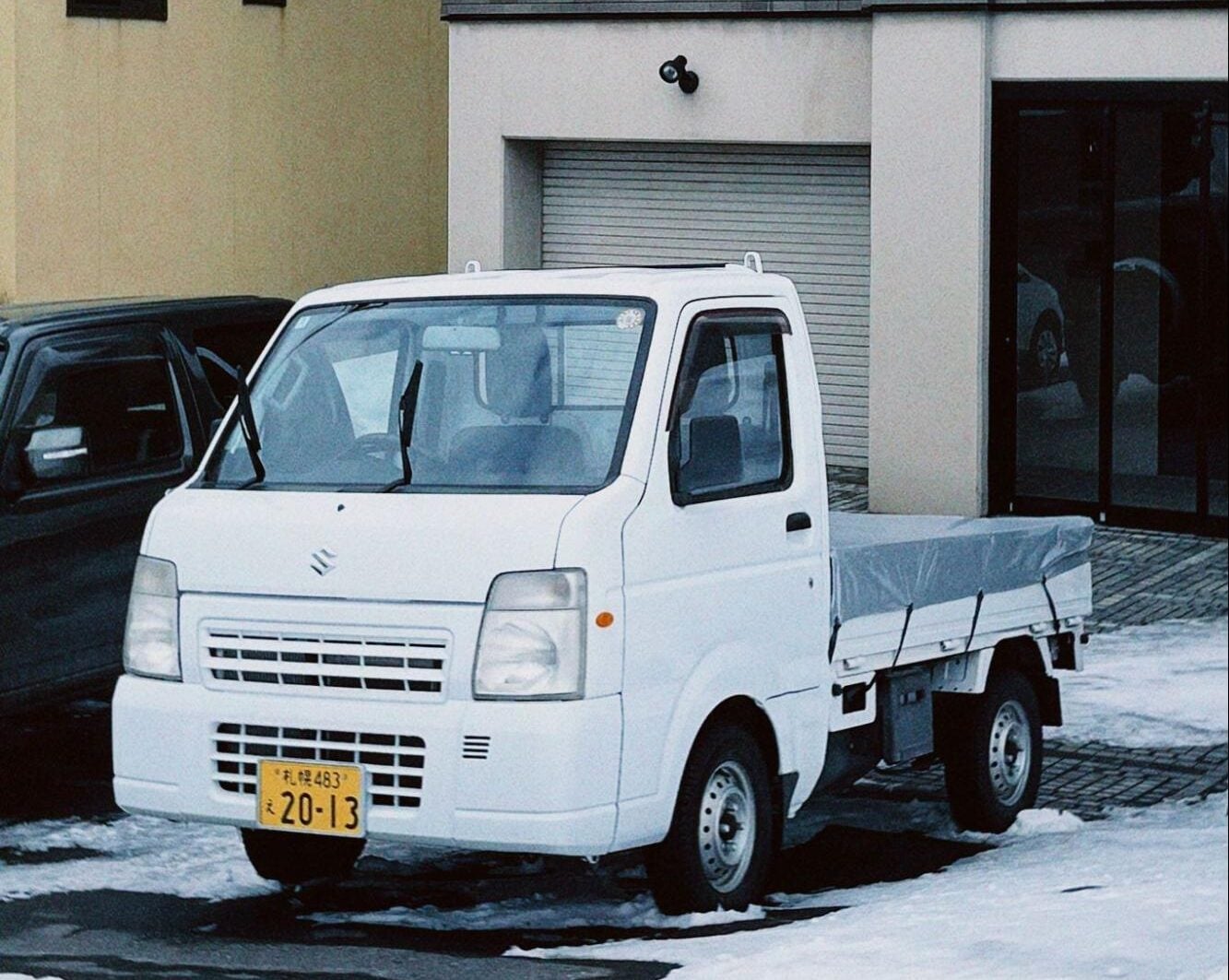
The Carry is the best-selling kei truck in Japan’s history, and for good reason. Parts availability is excellent, dealer networks in Southeast Asia and South America stock everything, and the truck itself is almost indestructible. The DC51T and DD51T generations from the 1990s are the sweet spot for US importers: old enough to be legal, new enough to be clean.

If you want a kei truck and do not have a strong opinion about which one, the Carry is the safe answer. It just works.

Specs: 660cc F6A 3-cylinder (turbo available), RWD or part-time 4WD, 5-speed manual.


Daihatsu Hijet

The Hijet competes directly with the Carry and is equally proven. Daihatsu (a Toyota subsidiary) built the Hijet in truck and van configurations, making it versatile for buyers who want a farm truck one day and an enclosed cargo hauler the next. The S110 series from the mid-1990s is plentiful at auction and typically well-maintained.

The Hijet van variant is popular for last-mile delivery, mobile businesses, and micro-camper conversions.

Specs: 660cc 3-cylinder (EF series), RWD or 4WD, 5-speed manual or 3-speed auto.


Subaru Sambar

The Sambar is the enthusiast’s kei truck. Subaru gave it a rear-mounted engine (like a tiny Porsche 911 layout), independent rear suspension, and available supercharging. The result is a kei truck that handles better than it has any right to and sounds distinctive doing it.

The Sambar also comes in van form (the Sambar Dias), which has a dedicated following among camper converters. The Sambar test drive on our blog gives you a feel for what this truck is like on the road.

Specs: 660cc EN07 4-cylinder (supercharged available), RWD or full-time 4WD, 5-speed manual or CVT.


Suzuki Every and Daihatsu Atrai (Kei Vans)

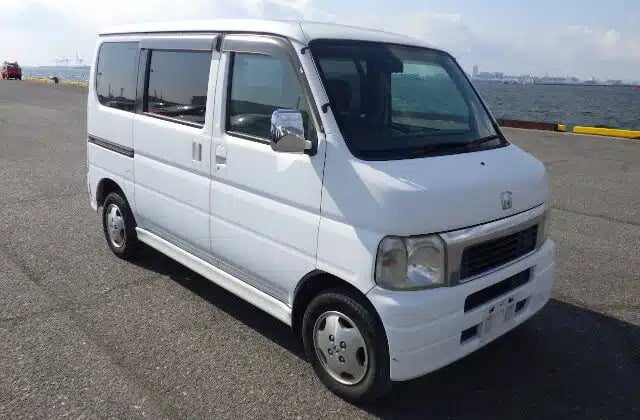
If you want a kei car van, these two are the starting point. The Suzuki Every and Daihatsu Atrai are tall-roof kei vans with surprising interior volume. Stand-up height in the rear, flat-folding seats, and available turbo engines make them practical for camping, mobile workshops, delivery, or simply hauling gear that will not fit in a truck bed.

The kei van category is one of the lowest-competition, highest-demand niches we see right now. Buyers who want something different from a truck, with weather protection and lockable cargo space, land here. Read our breakdown of the best kei van to export from Japan for a deeper comparison.

Specs: 660cc turbo 3-cylinder (both), RWD or 4WD, 3 or 4-speed auto or 5-speed manual.


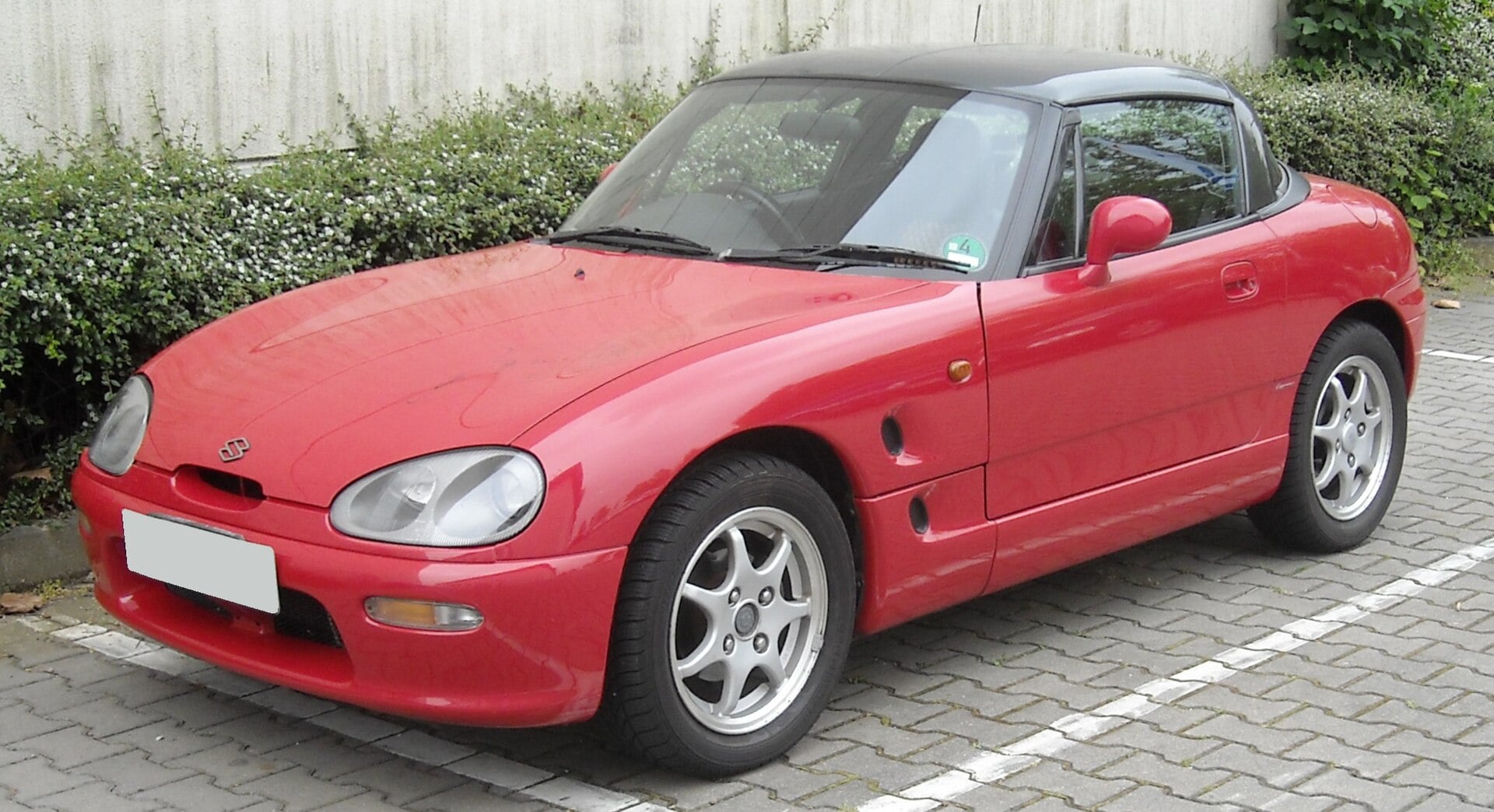
Suzuki Cappuccino

The Cappuccino is a rear-wheel-drive, turbocharged roadster that weighs 700 kg. It has a three-piece removable roof (targa, T-top, or full open), a short-throw 5-speed, and the kind of direct steering feel that modern sports cars engineer out in the name of refinement.

This is a weekend car, not a daily commuter. Highway speeds are manageable, but wind noise and ride firmness remind you that lightness has trade-offs. For canyon roads and Sunday drives, few cars at any price deliver this level of engagement.

Specs: 657cc F6A turbo, RWD, 5-speed manual or 3-speed auto, 725 kg.


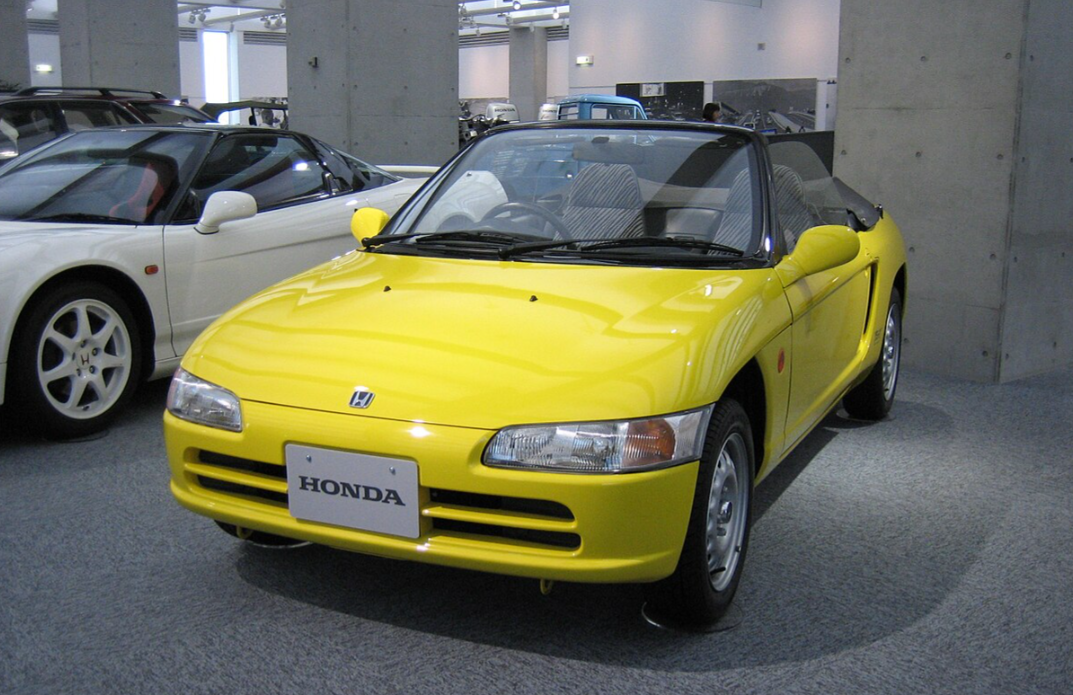
Honda Beat

The Beat is Honda’s answer to the same question the Cappuccino asks: how much fun can 660cc deliver? Honda’s answer was mid-engine, naturally aspirated, 8,100 rpm redline, and a chassis tuned by the same team that did the NSX.

The Beat does not have a turbo. It makes its power at the top of the rev range, which means you have to drive it hard to enjoy it. That is the point. It rewards skill and enthusiasm in a way that turbocharged cars often do not.

Specs: 656cc E07A 3-cylinder, mid-engine RWD, 5-speed manual only, 760 kg.


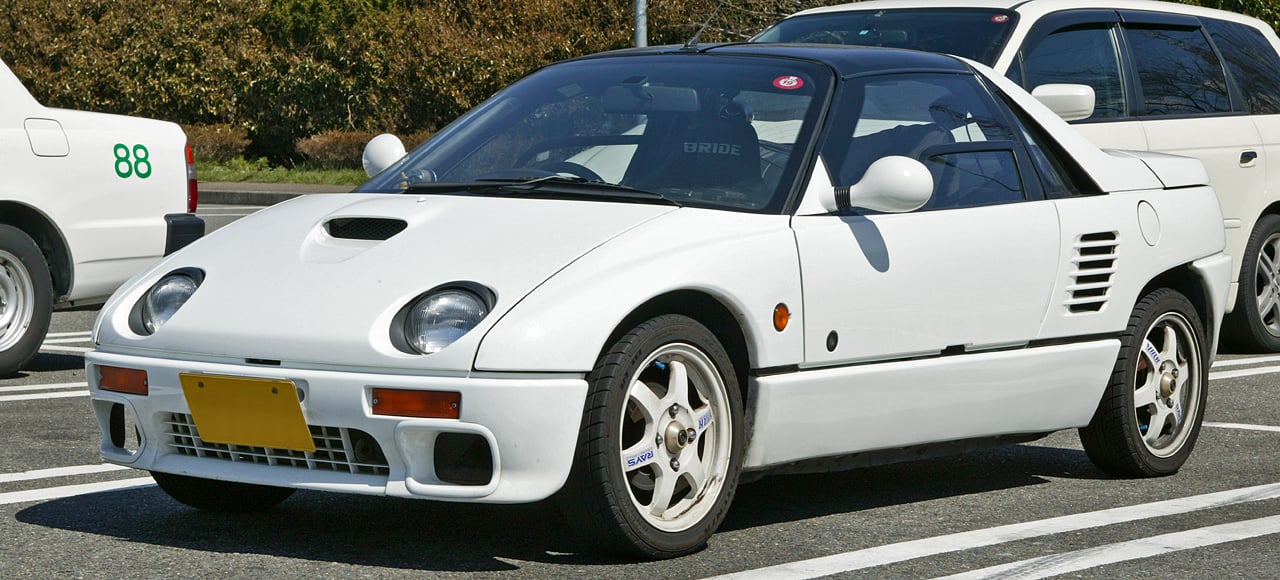
Autozam AZ-1

The AZ-1 is the rarest of the 1990s kei sports car trio. Gullwing doors, a mid-mounted Suzuki turbo engine, and a curb weight of 720 kg make it feel like a concept car that accidentally reached production. Only about 4,500 were made.

Prices reflect the scarcity. The AZ-1 is a collector’s car now, not a bargain. If you find a clean one at auction, act fast. They do not sit.

For more on all three sports cars, read our kei sports cars deep dive and the original overview.

Specs: 657cc Suzuki F6A turbo (mid-mount), RWD, 5-speed manual, 720 kg.

Kei Truck vs Kei Van vs Kei Sports Car: Which Is Right for You?

It all comes down to what you want the vehicle to do.

If you have land, a farm, a workshop, or a landscaping business, a kei truck is the answer. Open bed, low loading height, 4WD available. The Carry, Hijet, Acty, and Sambar all do this job well. You will haul feed, tools, firewood, and materials for a fraction of what a full-size truck costs to buy and fuel.

If you want enclosed cargo space, weather protection, or a platform for a custom camper build, go with a kei van. The Every and Atrai give you a lockable box with real volume. Some buyers use them for delivery routes, mobile coffee shops, or weekend camping rigs.

If you want a toy, a track day car, or a unique collection piece, the sports cars are the move. You won’t find cars like Cappuccino, Beat, and AZ-1 on American roads. They are light, loud, slow by supercar standards, but more fun than cars costing ten times more.

Not sure where you fit? Our post on generational differences between kei trucks can help narrow the truck category further.

How to Import a Kei Car to the US with Japan Car Direct

The process is simpler than most people expect. Here’s how it works when you import through Japan Car Direct.

You start by telling us what you want. Model, year range, color preferences, budget. Our Auction and Export Agents search Japan’s major auction houses daily. When a match comes up, we send you the auction sheet (translated into English) and arrange an independent pre-bid inspection with photos so you know exactly what you are buying.

If you approve, we bid on your behalf. Once the vehicle is won, we handle all Japan-side paperwork: de-registration, export certificate, and customs clearance. The vehicle goes into a shipping container or onto a RoRo vessel bound for your chosen US port.

On the US side, you’ll need to clear customs with EPA Form 3520-1 and a DOT HS-7 declaration. Both forms confirm the vehicle is exempt under the 25-year rule. But don’t stress too much, our team will walk you through it. It’s just paperwork.

After customs release your import, all that’s left is to arrange transport to get it home and register your ride with your state DMV. Some states require a safety inspection. That’s it.

The whole process typically takes six to ten weeks from auction win to delivery at your closest port, depending on shipping schedules. Japan-side costs are transparent and quoted upfront. No surprises.

Check out our How to Buy process for a visual walkthrough, or check the common import questions page. You might also find our article on 25-year-old cars from Japan helpful for a little more background on the rule itself.

How Much Does It Cost to Import a Kei Car to the US?

Costs break down into four parts: the vehicle purchase price at auction, Japan-side fees (inspection, export paperwork, inland transport), overseas shipping to your nearest US port, and then of course, US-side duties and state registration.

Kei trucks tend to be the most affordable entry point. Clean examples regularly sell at auction for prices that would surprise you. Sports cars like the AZ-1 sit at the other end, where collector demand pushes prices higher every quarter.

Shipping costs vary by port. West Coast ports (Long Beach, Tacoma) are cheapest from Japan. East Coast and Gulf ports cost more but save you inland transport on the other end.

We quote everything upfront so you can make a decision with real numbers, not estimates. For a detailed breakdown including duties, taxes, and examples by destination, read our full cost breakdown by country.

Frequently Asked Questions

Are kei cars legal to drive in the US?

Yes, if they are 25 years old or older. The NHTSA 25-year exemption allows legal import. Registration rules vary by state. Most states register them as standard passenger vehicles or off-highway vehicles. Check current legality in your state before buying.

What is the cheapest kei car to import to the US?

Kei trucks (Carry, Hijet, Acty) are typically the least expensive. Total landed cost including shipping and duties can start well under what a used domestic truck costs. Contact our team for a current quote based on your port and preferences.

Can I import a kei car newer than 25 years old?

Generally, no. Vehicles under 25 years old must meet current US safety and emissions standards, which kei cars were never certified to meet. There is no practical compliance path for most models. Wait for the vehicle to reach 25 years, then import legally.

Which kei car is best for US roads?

For highway use, a turbo kei van or turbo Jimny handles sustained speeds most comfortably. For rural and farm use, any kei truck is ideal. For weekend driving on back roads, the Cappuccino or Beat. Match the vehicle to your actual use case.

How long does it take to import a kei car from Japan?

Six to ten weeks from the day we win the auction to the day the vehicle arrives at your US port. Variables include auction timing, vessel schedules, and port congestion. Japan Car Direct keeps you updated at every stage.

Ready to Import Your Kei Car?

So now you’ve done the research. You know which kei fits what you’re looking for. The next step is simple.

Register free with our Auction Registration Service. It costs nothing, and it gives our team the information they need to start searching on your behalf. Tell us the model, the year range, and your budget. We will handle the rest.

Hundreds of US buyers have done exactly this with Japan Car Direct. You can read what they say on our Google Reviews page. As our founder Scott Bower puts it: “Enjoy the Process and Love the Results.”

Message Matt or Mike when you’re ready, and we’ll get busy finding your kei.