logo

Dispatches from the House of 660

Let’s Move Now to Protect Ourselves from the Brave New World of $4 (and Rising) for a Gallon of Regular

Looking at the price of gas in the USA today (summer of 2026) I see it’s over four dollars, and in some places over five dollars, for a gallon of regular gasoline. Back in the day I remember it bumping along around a dollar a gallon for ages, and that was a high price.

Before I came to Japan, the only thing I knew about the price of gas here was that it was expensive: “Oh, you’ll not be able to afford to run a car in Japan. Gas is through the roof. The people will be moving back to rickshaws before you know it!”

Yeah, right, and every second Japanese guy is a master of Karate and everybody and his brother lives is a rabbit hutch.

Well, I didn’t find any rabbit hutches (except in pet stores), or martial arts masters (except at the gym) but I did find high gasoline prices. Measured in liters.

And yet, with the high fuel prices, I also found lots of car drivers. How did they do it?

660.

As is six hundred and sixty. As is CCs. As in super fuel efficient and respectably powerful small car engines that you can live with and that won’t break you wallet.

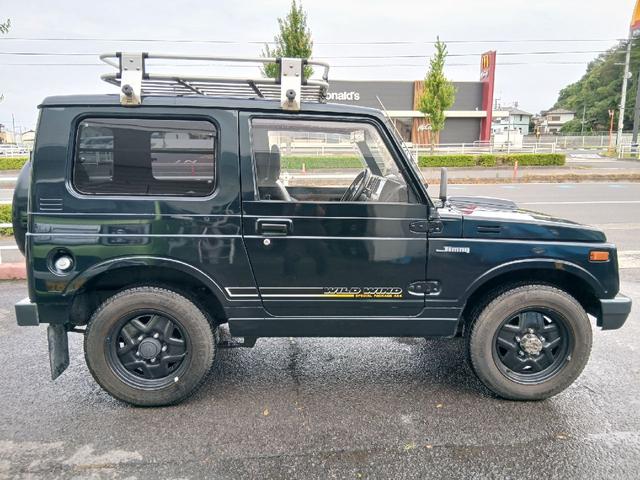
My first car in Japan was a 660cc Suzuki Jimny, and he was a delight.

Since I’ve lived in Japan I’ve had eight of these 660cc wonders and they have kept me and my family on the road and trucking along. These are the famous Japanese Kei cars. By running my Kei cars, with their 660cc engines, I’ve been able to beat the high price of gas in Japan. And I’ve had lot of fun doing it!

So let me tell you about Japanese Kei cars and about some of my own Kei cars in particular. Let’s visit my corner of the House of 660. It’s a place that has certainly charmed me.


My Present Car from the House of 660

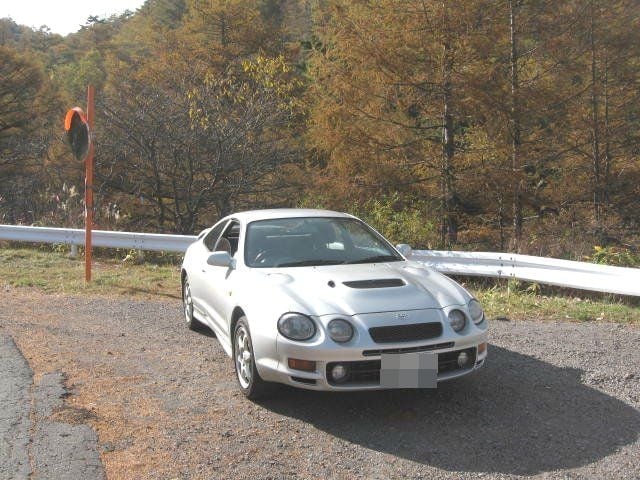
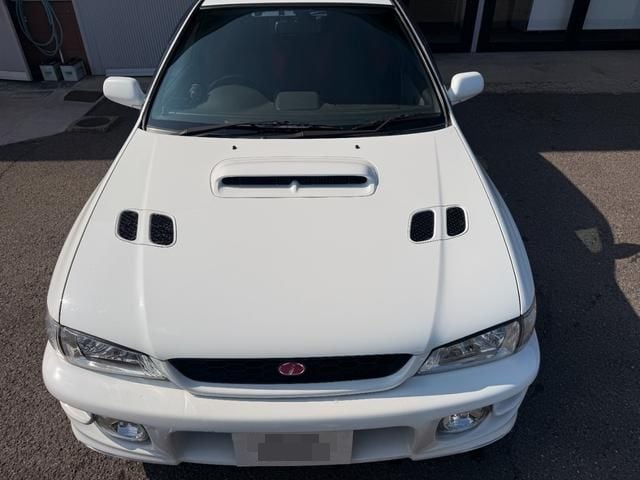
Now let me say at the outset that gas prices are high in Japan and it has affected my motoring choices. I had to give up my very quick Celica GT4 and my bas ass rocket Impreza WRX STi partly due to the recently high price of gas. Goodbye dear (and fast) friends.


But I say to myself “Dave, let’s keep things in perspective. Yes, gas was about 80 cents a liter when I moved back to Japan from the UK years ago, and yesterday at the pump in Fuji City it was 170 cents roughly (just top of the head calculations). Now, I looked this morning at some average gas per liter prices in the USA and it was looking to me to be about 90 cents for a liter of regular. So, if Japan Car Direct’s customers in the States (or Canada) get their hands on some of the good gas sippers that we ship from Japan to the North America, to ports like Long Beach (Port of Los Angeles), Tacoma (up in Washington), Jacksonville (down in Florida), and up over the border in Canada to New Westminster, to mention just a few of the main US and Canadian sea ports that we deliver to via the efficient RORO (roll on roll off) system that saves people good money when they ship a used car themselves direct from Japan to the USA, or Canada, (or Europe or the UK for that matter, see our major shipping destinations here) they are going to be in an even better position than I am to ride out some of the years of ridiculous gas prices that we are facing now and will probably be facing for some time to come. So join me in plunking our back sides down in a good piece of fuel efficient and highly capable iron from the House of 660.

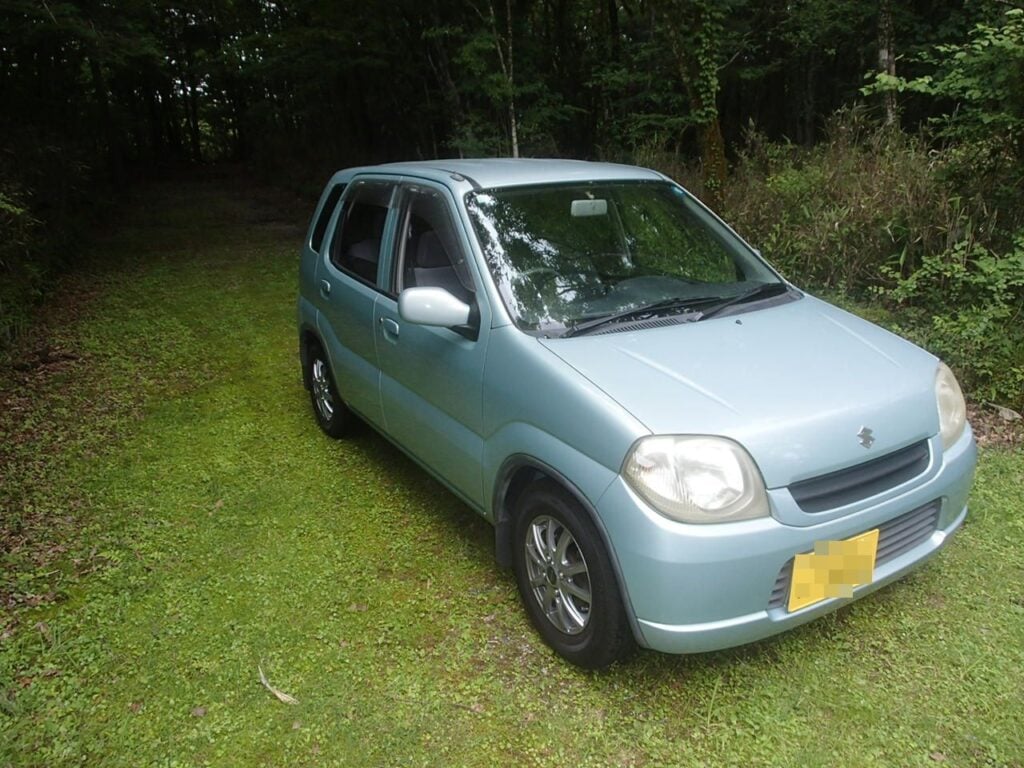
Let’s start with my most recent Japanese Kei car. A 2004 Suzuki Kei.

Suzuki Kei. Pluses? Many. Minuses? Only a Few.

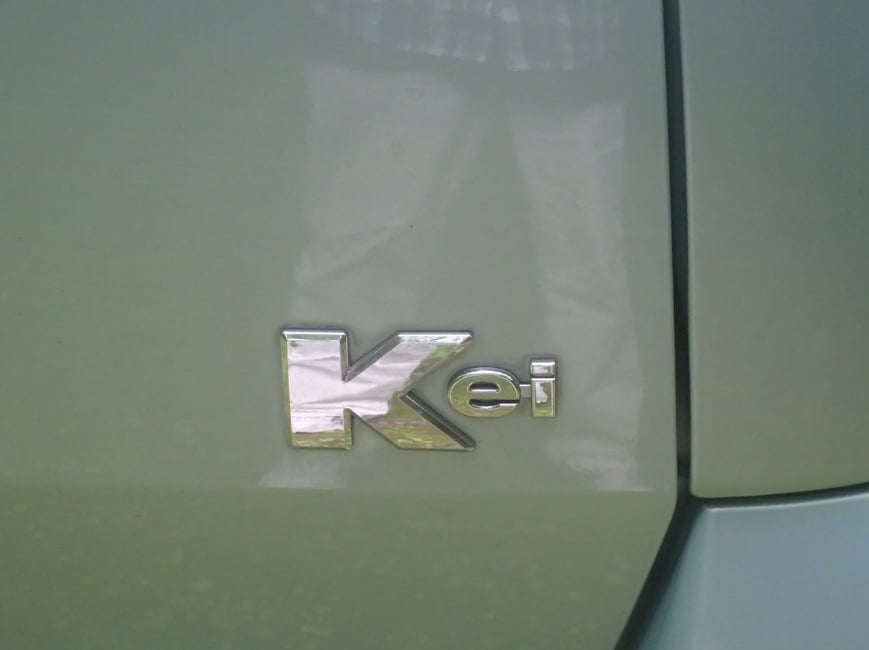
Yes, the name of my most recently acquired Kei car is the “Kei.”

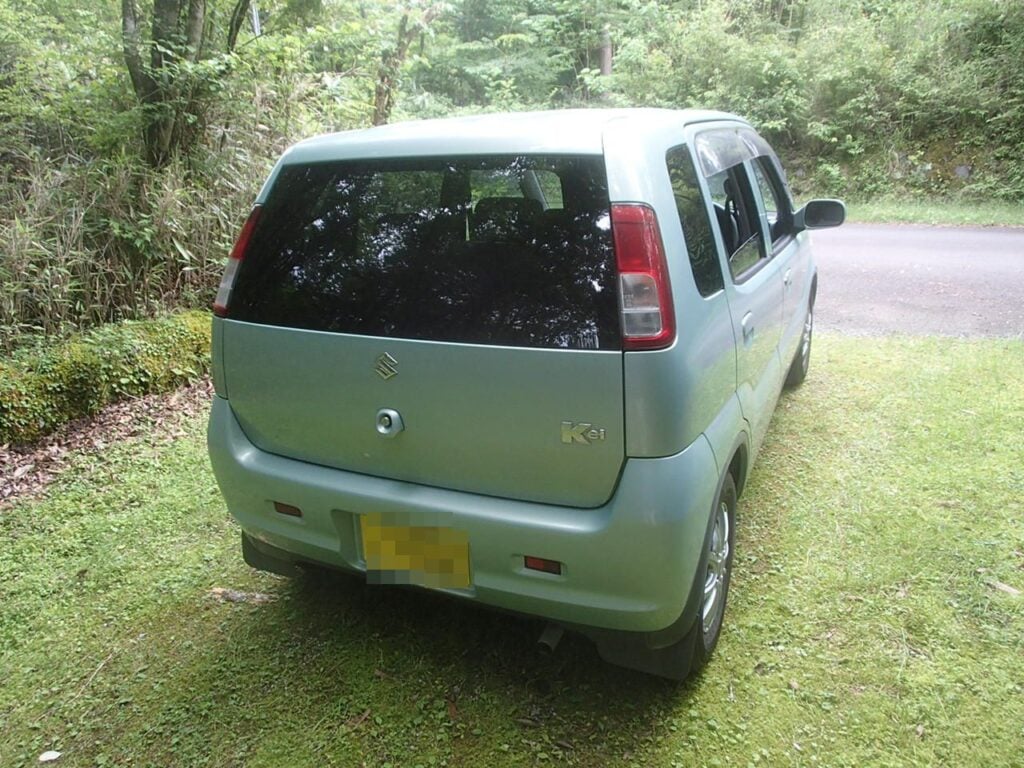
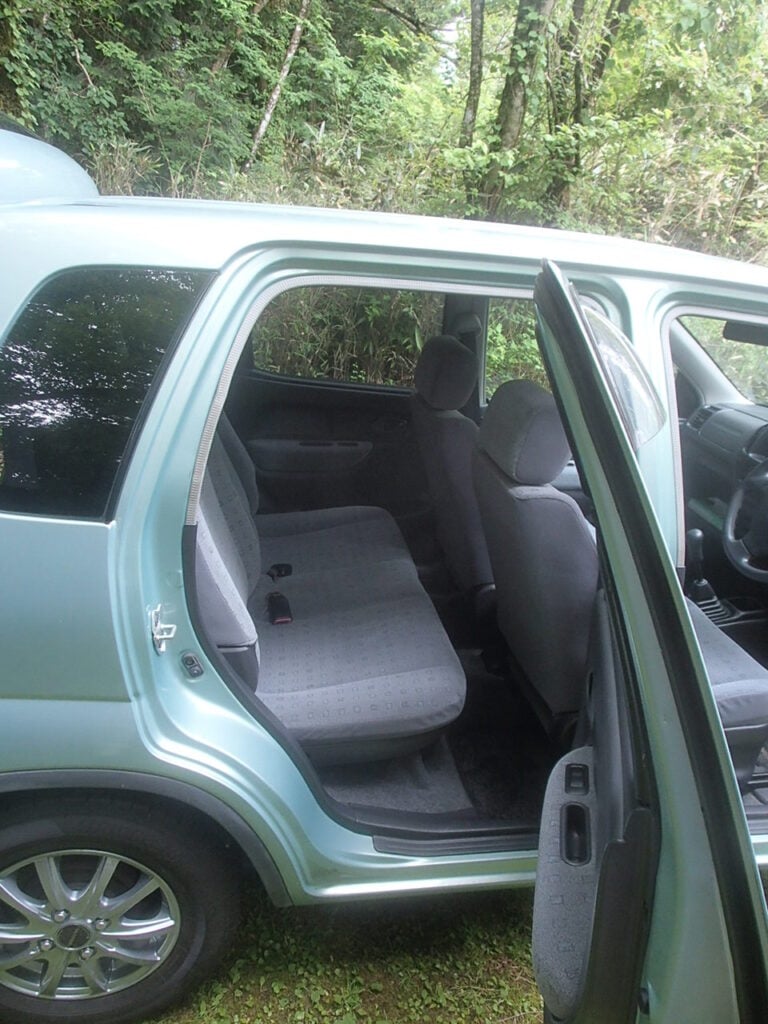
A very successful little machine that came out in 1998 and is now easy to import to the USA or Australia, which restrict the easy import of used cars to units that are over 25 years old. Originally, you could get the Suzuki Kei in either a three door hatchback body style or a five door hatch back body style. I’m partial to three door hatches myself but my wife has been agitating for years for a five door hatch, so we got a five door. (The Suzuki Kei later came only in the five door version.)

Now I’ll not give you a pack of BS and tell you that the car will swallow an elephant pregnant with twins.

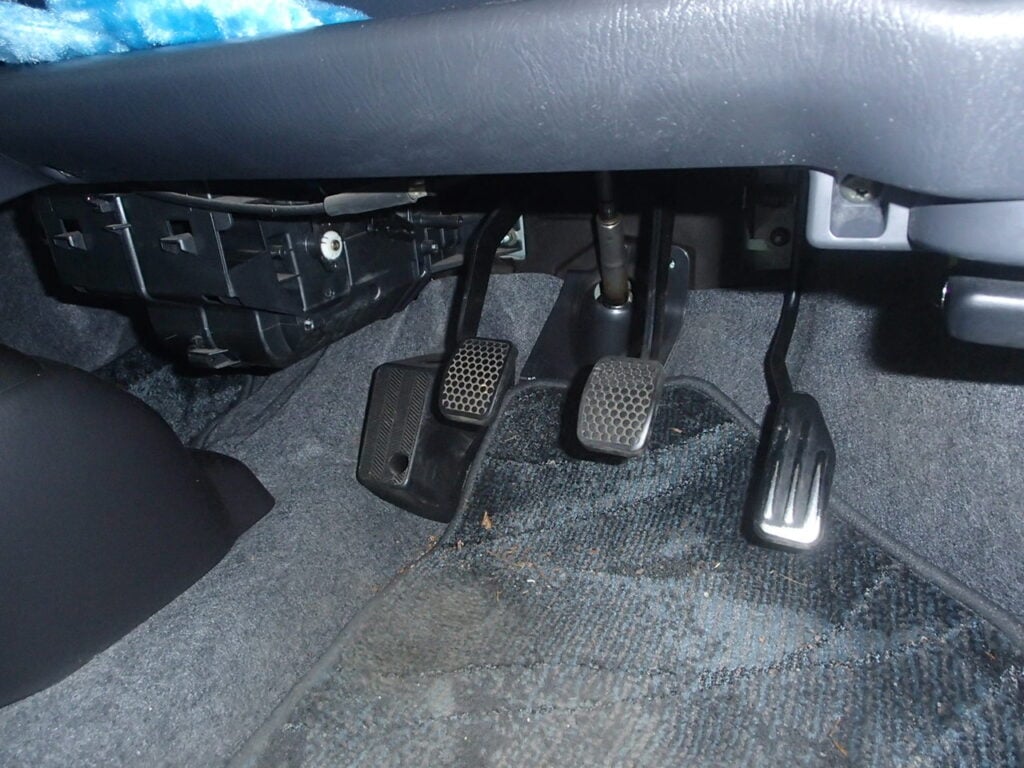
This is still a small car and I am still nearly six feet (although I hear that we all shrink a bit as we age) so while I have no complaints with interior dimensions, like head clearance and shoulder and hip room, I do think Suzuki should have given us one more centimeter between the brake pedal and the clutch pedal.

This is no problem for the tiny wife, however since she is a compact little unit and only takes up space in a conversation where she is guaranteed to make her presence felt. (Duck the smack upside the head, Dave, quick!…. But she is a talker.)

Also, I can feel a bit the overall compact size of the car when I exit with my big feet via the front doors, but not when I’m using the rear doors.

My other complaint is more subjective. Most Japanese small cars I have driven or owned have suspension on the firm side, which I like. Indeed, one of the really fun aspects of the whole House of 660 cars is that their suspensions are on the sporty side. (My Daihatsu Mira hatch back, that I’ll tell you about later, is very sporty indeed and as simple as you can get in a modern car.) But my Suzuki Kei has softer suspension. This is partly because it has very good ground clearance due to it being classed as a “small RV.” This is one of the reasons I bought the car since I have to drive up Mount Fuji in the winter snow and appreciate the generous ground clearance. We also get floods on the main road at least once a year and, if you don’t have an RV, the police will not let you chance it.

Now I’m sure you are asking: “How does the little Kei car Kei do in the snow? Do you have 4WD on the car?” The answers are “Very well” and “No, I don’t.” So my little 660, with only 2WD, manages the climb up the hill from the town to my house with just front wheel drive and new snow tires (no LSD or chains or rocket assist).

And that is another advantage of the Japanese 660 Kei cars: They are light! Two wheel drive, and a bit of sensible driving, will get me home in the snow.

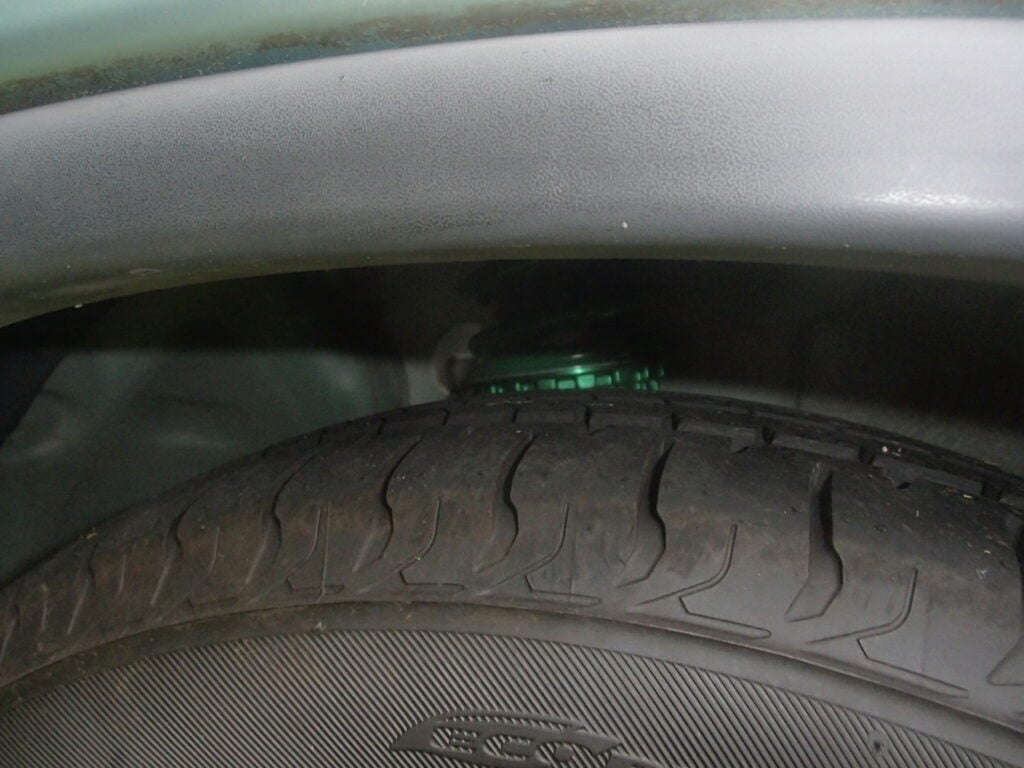
Now, going back to my feeling that stock suspension was a bit soft. My wife, and it’s her car, actually, did not think the sus was too soft, but agreed to let me put Tein coil-overs in the car. And here they are: (drum roll, please). Ta Dah!

Mega excellent! (I know this is not a great photo, but it’s all I could get in the tight space between the tire and the fender.)

Little Things That Matter

Something that I really like about Japanese Kei cars is the relative freedom of design. What I mean is: Are you ever disappointed at how so many cars kind of look the same nowadays? In build quality, cars are (mostly) better than they used to be (kind of…I guess) but they do all (kind of) look the same (I think). The older fellows in the room, like old me, will know what I’m driving at here…and I think that more than a few of the of the younger car lovers will, too.

Well, there is still an element of design freedom in the House of 660 which is a breath of fresh air. I’ve written recently about a good example of this freshness here and our Suzuki Kei is another example. (What is a “mini SUV” anyway?)

It’s a lot of fun, I can tell you that.

Other things that matter on the car that we are looking at now?

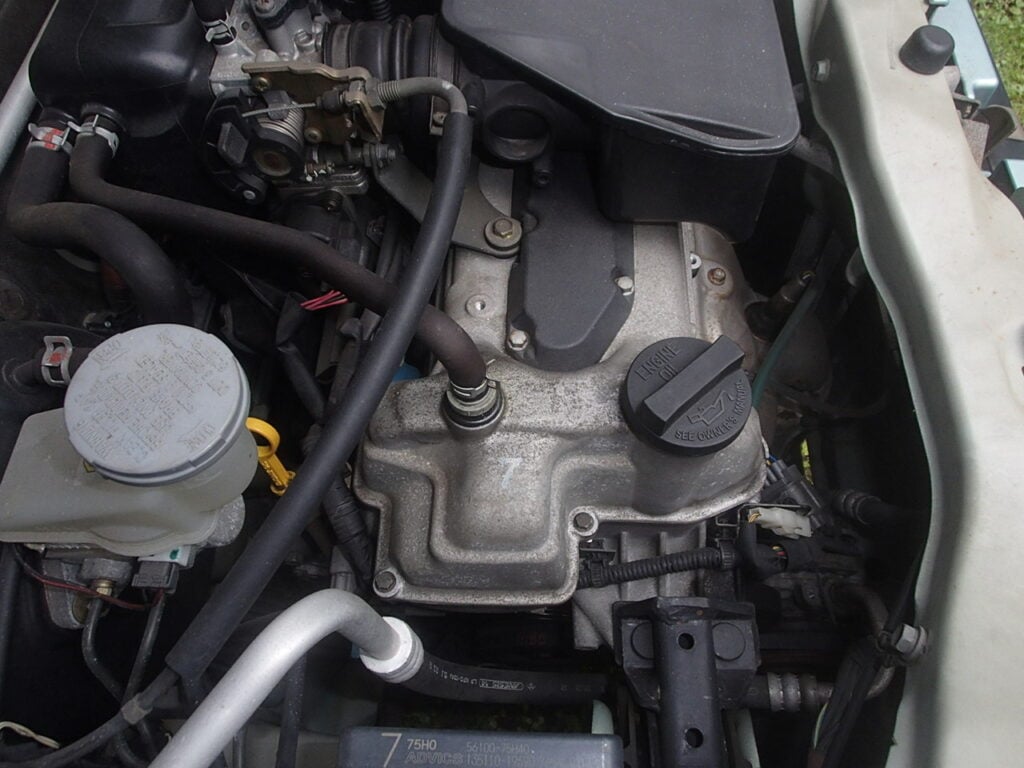
Engine power curve: The Suzuki K6A engine in my Suzuki Kei is the version with VVT (Variable Valve Timing). You can tell by looking at the bump at the end of the cam cover:


This system gives a bit flatter torque curve which makes hill climbing (which I do every day up Mount Fuji) just a wee bit better. This is important when you are driving a car with a small engine where every foot pound of torque and every horse power counts. Let’s face it: the days of five, six, and seven liter cars are long gone; at least for me. Every improvement in power and fuel efficiency is important.

And fuel economy, that’s an important thing that matters. My Kei is getting about 17 km/liter; about 40mpg. Book value says 22 km/liter or 52mpg, but real gas mileage is a solid 17 km/liter. I really appreciate it when it comes time to visit the pump.

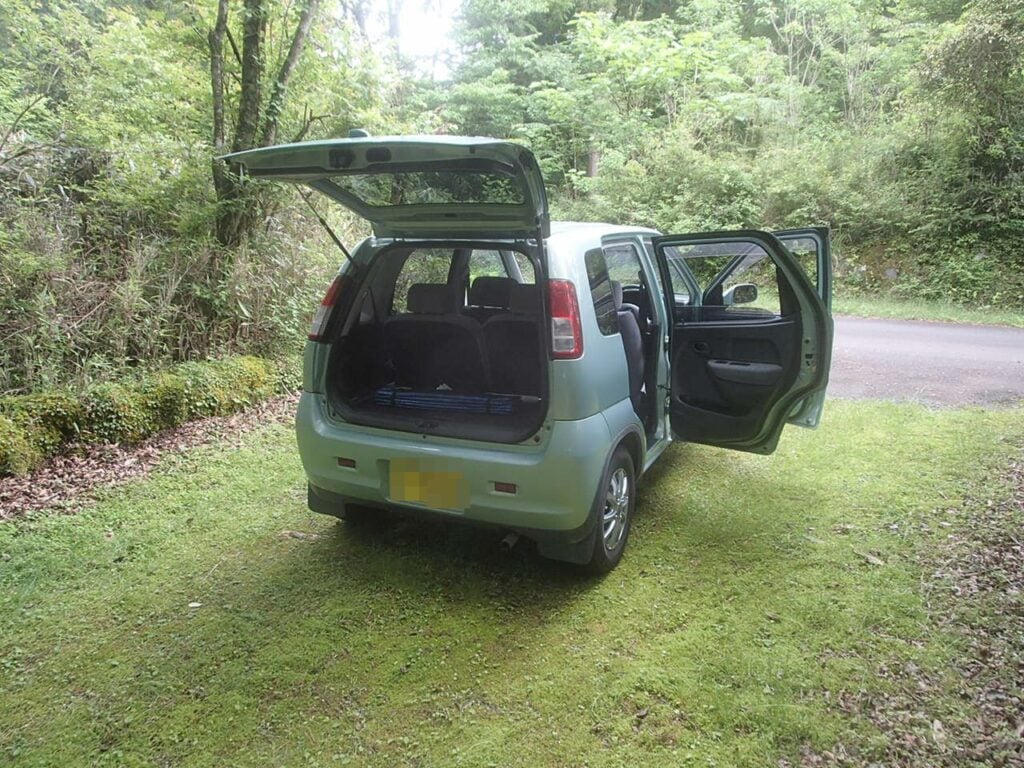
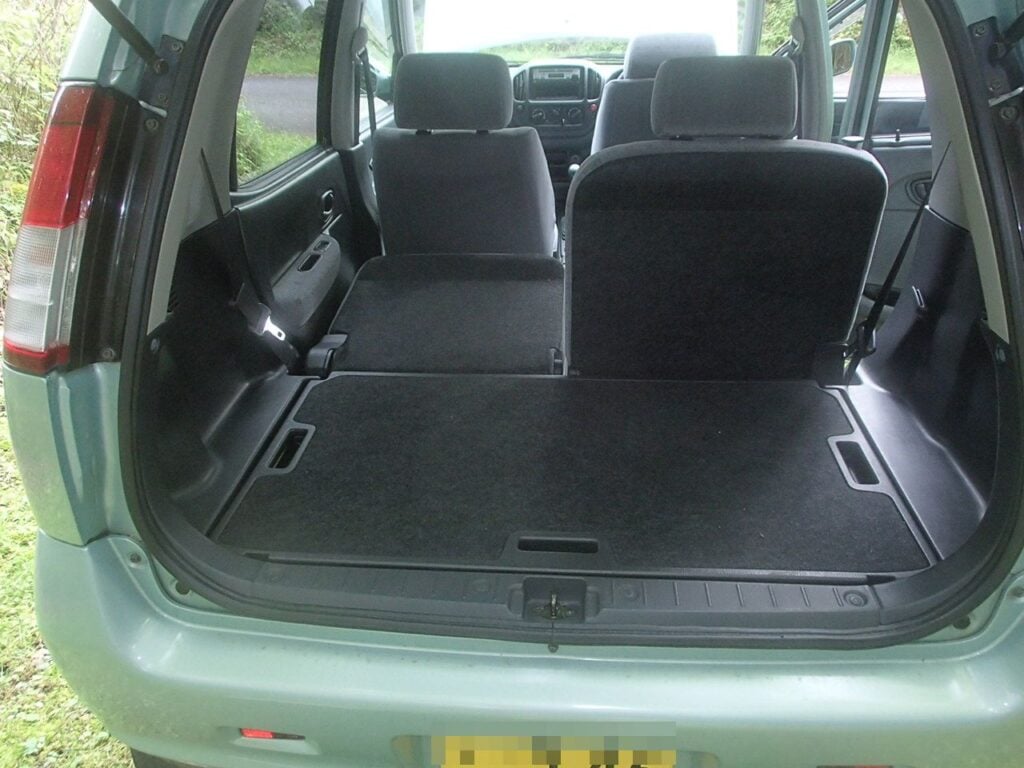
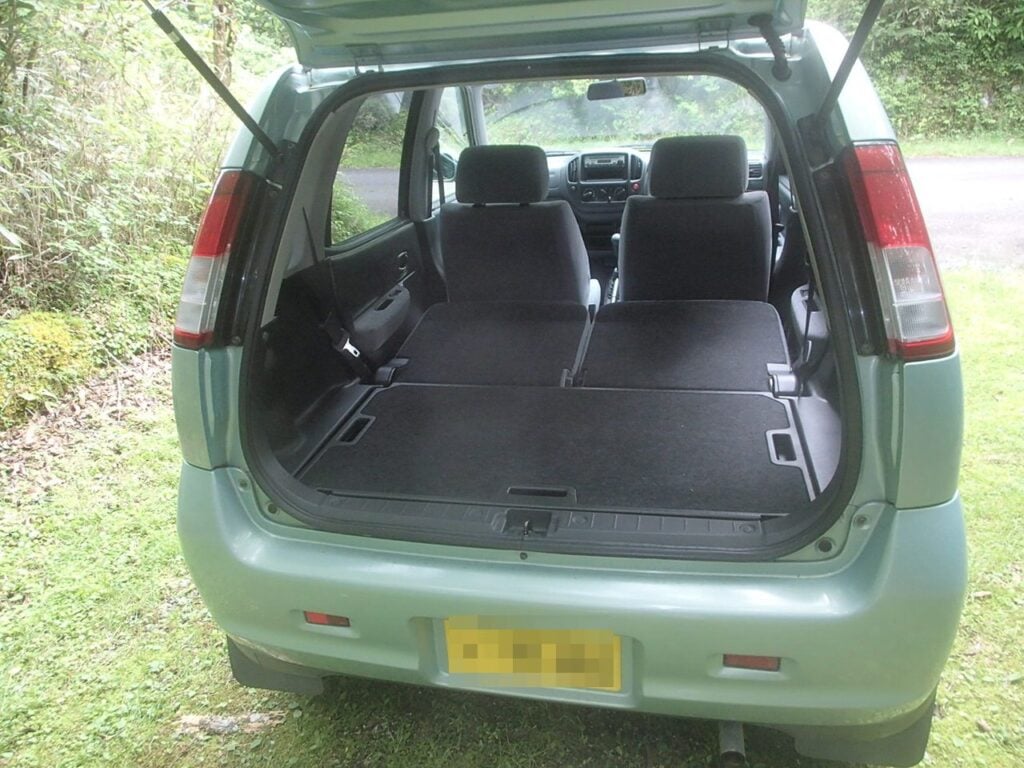
Another little thing that matters? Look here:

Yep, you got it, fold flat seats that give me a super useable load space. Every trip into town, there is always something that needs to be brought up the mountain; everything from heating fuel to dog food to people food. I certainly want a small car with a big load space.

There are so many good reasons to consider a small, used Japanese Kei car shipped direct from Japan to the USA, the UK, Canada, Australia, New Zealand (You’ll find the shipping and customs rules and regulations on our main Japan Car Direct web site by simply clicking the country name above.)

Can We Thumb Our Noses At High Gas Prices?

I’ve only talked for the most part here about fuel economy and load capacity and general practicality; there is so much good to say about these Kei class cars, and I’ll do it further in our next Dispatch from the House of 660 series here at Japan Car Direct. But if you are thinking: “I want a super economical good condition used Kei vehicle direct from Japan,” just register with us here to get free auction access and enjoy the personal service that our customers have and enjoy.

And, yes, with one of these delightful Japanese Kei cars that I myself have been driving since I arrived here in Japan, we can do a lot protect ourselves from seriously high (and likely rising) gas prices. Sure, I can’t completely thumb my nose at pump prices these days, but with cars like my Suzuki Kei, that little digit is itching to do it.